Why Nordic Walking Poles Do More Than Just Give You Something to Hold
Carrying a pair of Nordic walking poles without actively engaging them in a specific pushing motion reduces the whole exercise to regular walking with an extra prop, since the poles’ actual documented benefit comes from a specific mechanical function that has nothing to do with simply holding something for balance. Here is why the poles specifically engage upper body muscles and redistribute load in a way regular walking never does, the specific mechanical function the poles serve beyond any balance-related assistance, and the correct technique that actually activates that real mechanism rather than just carrying the poles along for the walk without using them properly.
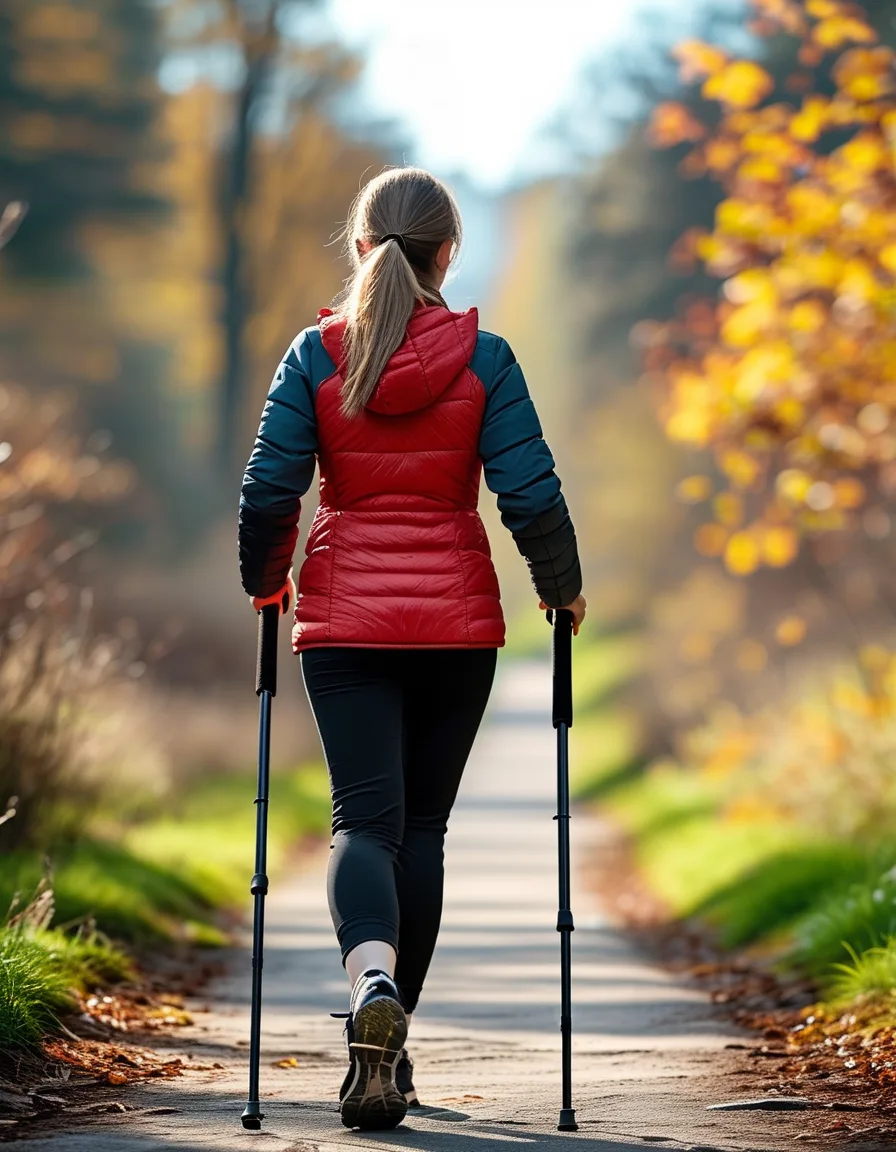
Why the Poles Specifically Engage Upper Body Muscles and Redistribute Load in a Way Regular Walking Never Does
The core mechanical distinction: correctly-used-nordic-walking-poles-require-an-active-pushing-motion-against-the-ground-with-each-stride-that-genuinely-engages-the-arms-shoulders-and-core-in-active-propulsive-work-rather-than-those-upper-body-muscle-groups-simply-swinging-passively-the-way-they-do-during-regular-unassisted-walking-from-the-nordic-walking-full-body-benefits-guide-logic (the establishing the actual core mechanical distinction directly, contrasting active pushing against passive swinging as the fundamental difference between correctly used poles and regular walking — the correctly-and-actively-used-nordic-walking-poles-genuinely-require-a-real-active-pushing-motion-against-the-ground-with-literally-every-single-stride-taken-that-genuinely-engages-the-arms-shoulders-and-core-in-real-active-propulsive-work-rather-than-those-particular-upper-body-muscle-groups-simply-and-passively-swinging-along-the-way-they-typically-do-during-regular-completely-unassisted-walking), this-active-pushing-motion-also-genuinely-redistributes-a-meaningful-portion-of-total-body-weight-load-away-from-the-legs-and-onto-the-upper-body-during-each-stride-which-can-genuinely-reduce-relative-joint-loading-on-the-knees-and-hips-compared-to-regular-walking-at-a-comparable-pace-and-distance (the establishing the second and genuinely distinct real mechanical benefit, load redistribution and reduced lower-body joint stress, broadening the picture beyond just the upper-body-engagement benefit already established — the this-genuine-active-pushing-motion-already-established-also-genuinely-and-measurably-redistributes-a-real-and-meaningful-portion-of-total-body-weight-load-away-from-the-legs-specifically-and-onto-the-upper-body-during-each-individual-stride-which-can-genuinely-and-measurably-reduce-relative-joint-loading-specifically-on-the-knees-and-hips-when-compared-directly-against-regular-unassisted-walking-at-a-genuinely-comparable-pace-and-total-distance), and the reframe (the poles’ real documented benefit as coming from an active pushing mechanism that genuinely engages upper body muscles in real propulsive work and redistributes load away from the legs — a genuinely distinct mechanical function from regular walking, not simply an added balance aid, meaning the benefit only materializes if the poles are actually used correctly rather than simply carried)).
The Specific Mechanical Function the Poles Serve Beyond Any Balance-Related Assistance
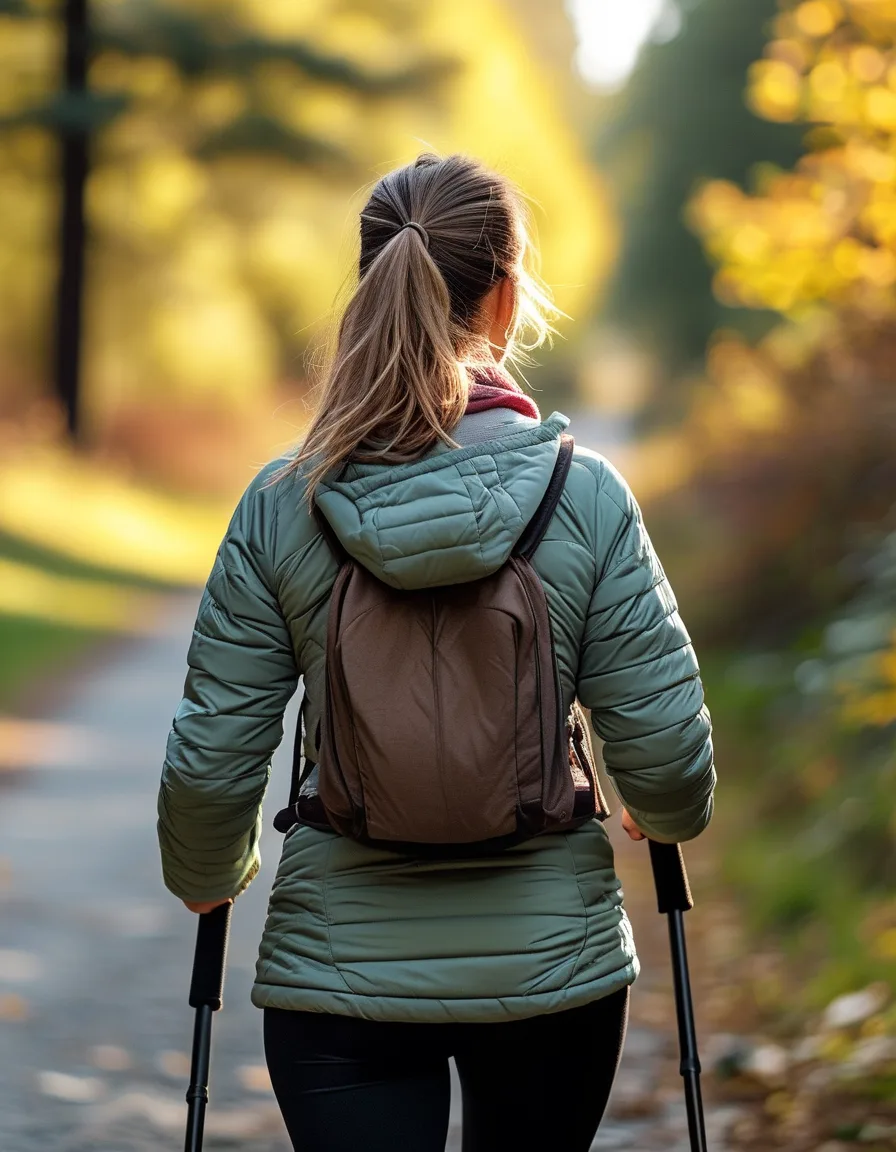
What the poles actually do mechanically: the-poles-function-specifically-as-a-genuine-propulsive-lever-that-a-walker-actively-pushes-against-to-help-drive-the-body-forward-with-each-stride-rather-than-functioning-primarily-as-a-passive-support-or-balance-aid-the-way-a-standard-walking-cane-or-hiking-pole-typically-does (the establishing the actual precise technical function directly, distinguishing the pole’s real active-propulsion role from the passive-support role most people assume by default from general familiarity with other pole-like walking aids — the the-poles-genuinely-function-specifically-and-primarily-as-a-real-propulsive-lever-that-a-walker-actively-and-deliberately-pushes-against-to-genuinely-help-drive-the-body-forward-with-each-successive-stride-rather-than-functioning-primarily-as-any-kind-of-passive-support-or-balance-aid-the-way-a-standard-walking-cane-or-a-typical-hiking-pole-generally-and-typically-does-instead), this-active-push-off-motion-specifically-engages-the-triceps-and-shoulder-muscles-during-the-backward-push-phase-of-each-stride-in-a-way-that-genuinely-parallels-the-arm-drive-motion-used-in-cross-country-skiing-which-is-the-actual-sport-nordic-walking-technique-was-originally-adapted-from (the establishing a specific and grounding real-world comparison that clarifies the actual mechanism concretely, tying it to the sport it was genuinely derived from rather than leaving the mechanism abstract — the this-specific-active-push-off-motion-already-established-specifically-and-genuinely-engages-the-triceps-and-shoulder-muscles-directly-during-the-backward-push-phase-of-each-individual-stride-in-a-way-that-genuinely-and-directly-parallels-the-arm-drive-motion-actually-used-in-cross-country-skiing-which-is-the-actual-original-sport-that-nordic-walking-technique-was-genuinely-and-specifically-adapted-from-in-the-first-place), and the frame (the specific mechanical function as the poles serving as a genuine propulsive lever actively pushed against to help drive the body forward, specifically engaging triceps and shoulder muscles during the backward push phase in a way that directly parallels cross-country skiing’s arm drive motion — a real, specific and technically grounded mechanism, not a generic balance-assistance function).
The Correct Technique That Actually Activates That Real Mechanism Rather Than Just Carrying the Poles Along for the Walk
The practical correct-technique approach: plant-each-pole-tip-slightly-behind-your-current-body-position-rather-than-directly-beside-or-in-front-of-it-specifically-so-that-the-actual-push-off-motion-genuinely-drives-the-body-forward-rather-than-simply-providing-passive-side-support-at-each-step-from-the-nordic-walking-technique-guide-logic (the establishing the actual specific and concrete first correct-technique element, pole placement, directly tied to activating the real propulsive mechanism already established rather than the passive support role most people default to — the deliberately-planting-each-pole-tip-specifically-and-slightly-behind-your-own-current-body-position-with-each-stride-rather-than-directly-beside-or-in-front-of-it-specifically-and-precisely-so-that-the-actual-push-off-motion-genuinely-and-actively-drives-the-body-forward-rather-than-simply-providing-passive-side-support-at-each-individual-step-taken), actively-and-deliberately-extend-the-arm-and-push-through-to-full-extension-behind-the-body-on-each-stride-rather-than-simply-letting-the-pole-drag-along-passively-beside-you-since-that-genuine-full-push-through-motion-is-specifically-what-actually-and-genuinely-engages-the-triceps-and-shoulder-muscles-already-established-as-the-real-target (the applying the specific push-through requirement directly to the arm motion itself, addressing the most common technique failure where poles get carried rather than genuinely used, closing the gap between correct technique and the passive-carrying failure mode named at the very start of the piece — the deliberately-and-actively-extending-the-arm-and-genuinely-pushing-through-to-full-extension-behind-the-body-on-literally-every-single-stride-rather-than-simply-letting-the-pole-drag-along-passively-beside-you-throughout-the-walk-since-that-genuine-and-full-push-through-motion-is-specifically-and-precisely-what-actually-and-genuinely-engages-the-triceps-and-shoulder-muscles-already-clearly-established-as-the-real-intended-training-target), and the frame (the correct technique as planting each pole tip slightly behind your current body position to enable genuine forward drive, and actively extending and pushing through to full arm extension behind the body on each stride rather than letting the pole drag passively alongside — the specific, concrete technique elements that actually activate the real established propulsive mechanism, converting Nordic walking from simply carrying poles into genuinely using them for their real intended purpose).
Nordic walking poles, when used correctly, require an active pushing motion against the ground with each stride that genuinely engages the arms, shoulders and core in real propulsive work rather than those muscle groups simply swinging passively the way they do during regular unassisted walking, and this active push also redistributes a meaningful portion of total body weight load away from the legs and onto the upper body, reducing relative joint stress on the knees and hips. The poles function specifically as a genuine propulsive lever actively pushed against to help drive the body forward, engaging the triceps and shoulder muscles during the backward push phase in a way that directly parallels the arm drive motion used in cross-country skiing, the sport Nordic walking technique was originally adapted from. Activate this real mechanism by planting each pole tip slightly behind your current body position rather than beside or in front of it, and actively extending and pushing through to full arm extension behind the body on each stride rather than letting the pole simply drag along passively — the specific technique details that convert Nordic walking from just carrying poles into genuinely using them for their real intended purpose.
See It in Motion
Seen here: High Waist 8” Yoga Shorts — shop similar styles on bubblelime.com
Keep Reading
This article is for general informational and styling purposes only. Fit, sizing, and product availability may vary.